Cameron Perry · 4 October 2026
Adaptive Techniques for Sustaining Oral Histories in Dynamic Seaside Habitats
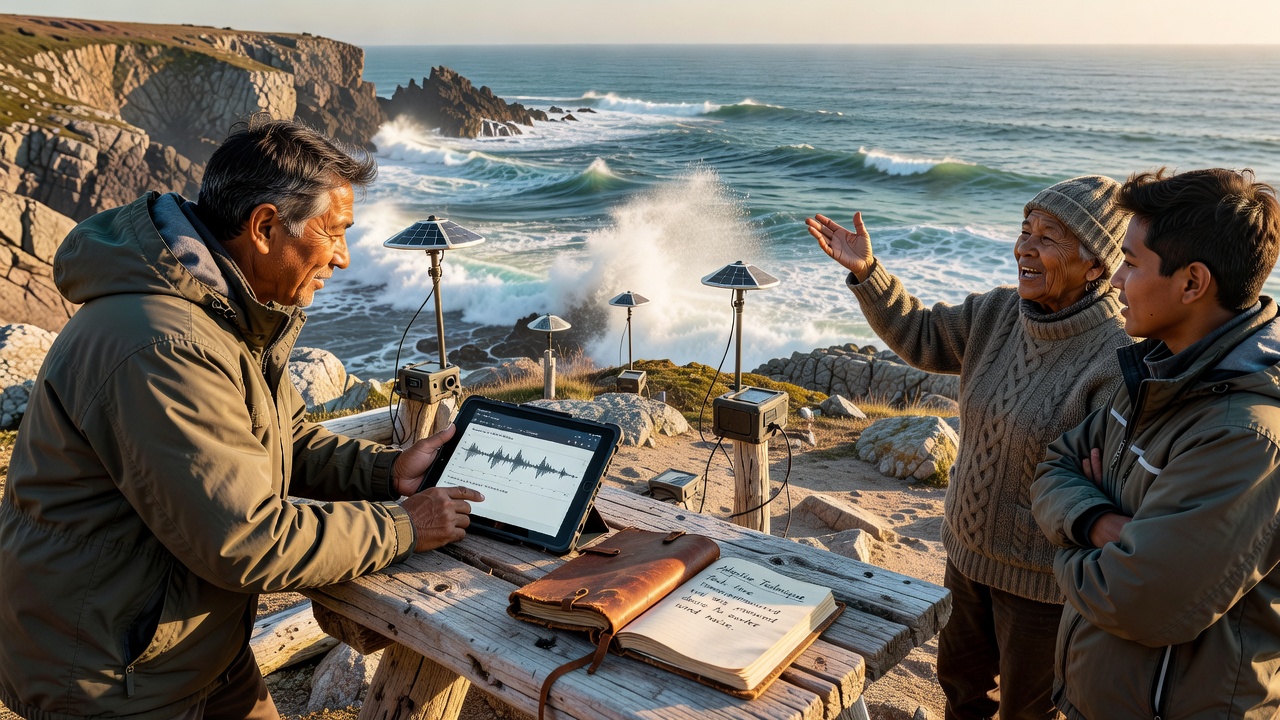
Seaside habitats undergo constant transformation through tides, storms, and shifting coastlines, which creates ongoing pressure on the transmission of oral histories passed down through generations. Communities in these areas adapt preservation methods to account for physical displacement and changing environmental conditions while maintaining the integrity of spoken narratives. Researchers have tracked how groups along vulnerable shorelines combine traditional storytelling sessions with modern recording tools to capture details that might otherwise disappear during relocations or habitat alterations.
Environmental Pressures on Coastal Storytelling Traditions
Dynamic seaside environments experience accelerated erosion and flooding events that disrupt fixed gathering places where elders typically share histories. Data from coastal monitoring programs show that certain regions lose several meters of shoreline each year, forcing storytellers to relocate and sometimes fragment long-established narrative cycles. Observers note that these movements interrupt the contextual cues embedded in specific locations, such as particular beaches or tidal pools that once anchored specific tales about fishing practices or storm survival.
Groups respond by developing mobile recording protocols that allow sessions to occur in temporary shelters or inland safe zones during high-risk periods. Studies indicate that portable devices equipped with noise-canceling microphones preserve vocal inflections and pauses that convey meaning beyond written transcripts. In October 2026 several international workshops will focus on standardizing these protocols across different coastal zones to facilitate data sharing between regions facing similar habitat shifts.
Digital Archiving Methods Tailored to Coastal Mobility
Communities integrate cloud-based storage systems with local backups to guard against data loss during power outages or flooding common in seaside settlements. Technicians train residents to use encrypted drives that withstand humidity and salt exposure, ensuring recordings remain accessible even when internet connectivity drops. Evidence from field projects reveals that hybrid analog-digital approaches, such as combining voice recordings with printed summaries on waterproof paper, provide redundancy when electronic systems fail during extreme weather.
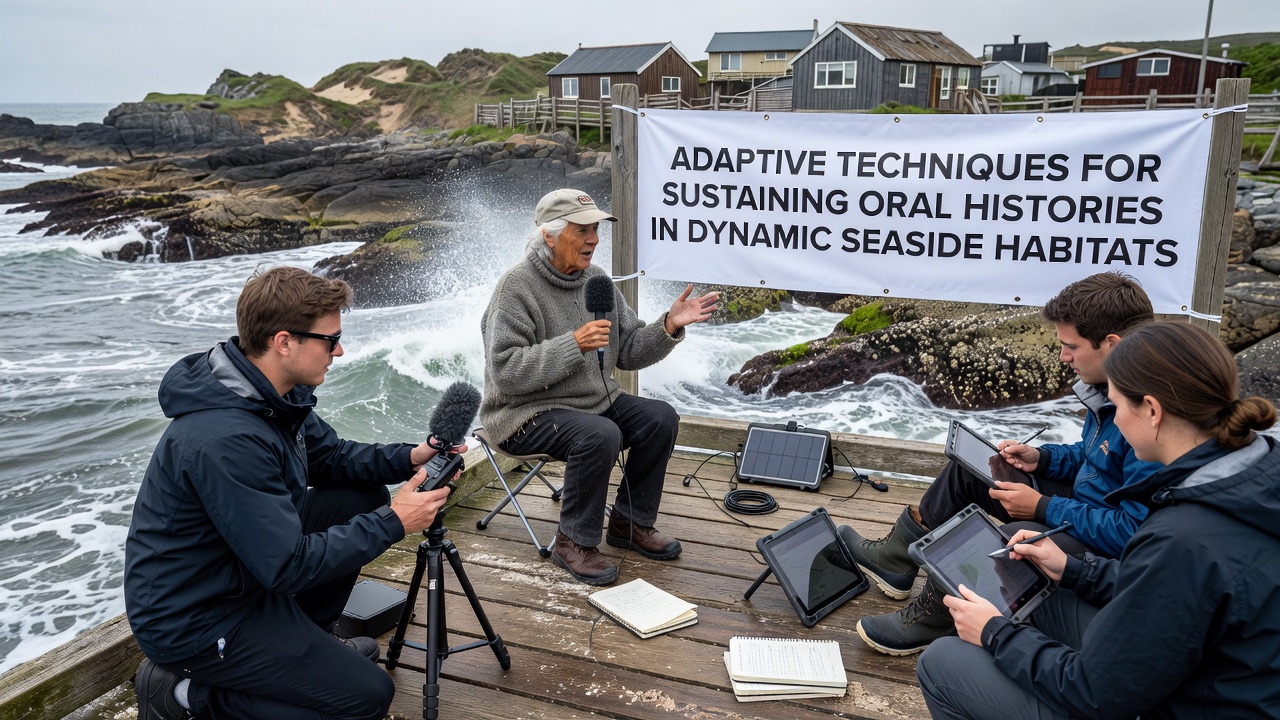
Metadata tagging incorporates geographic coordinates and seasonal timestamps so future listeners can understand how environmental changes influenced the stories. Academic teams from institutions across multiple continents have developed open-source software that automatically links recordings to tide charts and erosion maps, creating layered archives that reflect both cultural content and habitat conditions. These systems allow researchers to cross-reference narratives with physical landscape data without requiring constant physical presence in unstable areas.
Community-Led Training and Knowledge Transfer Programs
Local organizations establish apprenticeship models where younger residents learn recording techniques directly from elders during scheduled sessions timed around tidal cycles. Training materials emphasize active listening skills alongside technical operation so that interviewers capture contextual details such as references to submerged landmarks or seasonal migration patterns. Programs in regions like the Pacific Northwest and parts of northern Europe demonstrate that pairing youth with multiple elders reduces single-point failures when individuals move inland due to habitat loss.
Partnerships with government agencies supply equipment grants while community members retain control over access permissions for sensitive stories. Figures from heritage preservation reports show increased participation rates when sessions occur in familiar outdoor settings rather than formal indoor facilities, preserving the conversational flow that defines many oral traditions. And yet these efforts require ongoing adjustment as new environmental data emerges each season.
Integration with Broader Heritage Frameworks
Coastal groups align their techniques with international standards set by organizations such as UNESCO for intangible cultural heritage documentation. This alignment enables funding opportunities and technical support while allowing local variations in how stories are segmented for archiving. Collaboration with agencies like NOAA provides access to environmental datasets that enrich the historical context of recordings without altering original content.
Case examples from Australian coastal communities illustrate how combining satellite imagery with oral accounts creates comprehensive records of changing shorelines over decades. These integrated datasets support both cultural continuity and scientific understanding of habitat dynamics, demonstrating practical benefits when multiple disciplines contribute to preservation strategies.
Conclusion
Adaptive techniques for sustaining oral histories in dynamic seaside habitats continue to evolve through the combination of mobile technology, community training, and alignment with broader environmental monitoring. Ongoing projects scheduled for review in October 2026 will assess the effectiveness of current protocols across varied coastal settings. These approaches ensure that spoken narratives remain intact despite physical changes to the habitats where they originated.