Theo Schmidt · 1 November 2026
Harnessing Mobile Apps to Convert Handwritten Fishing Journals into Searchable Coastal Heritage Databases
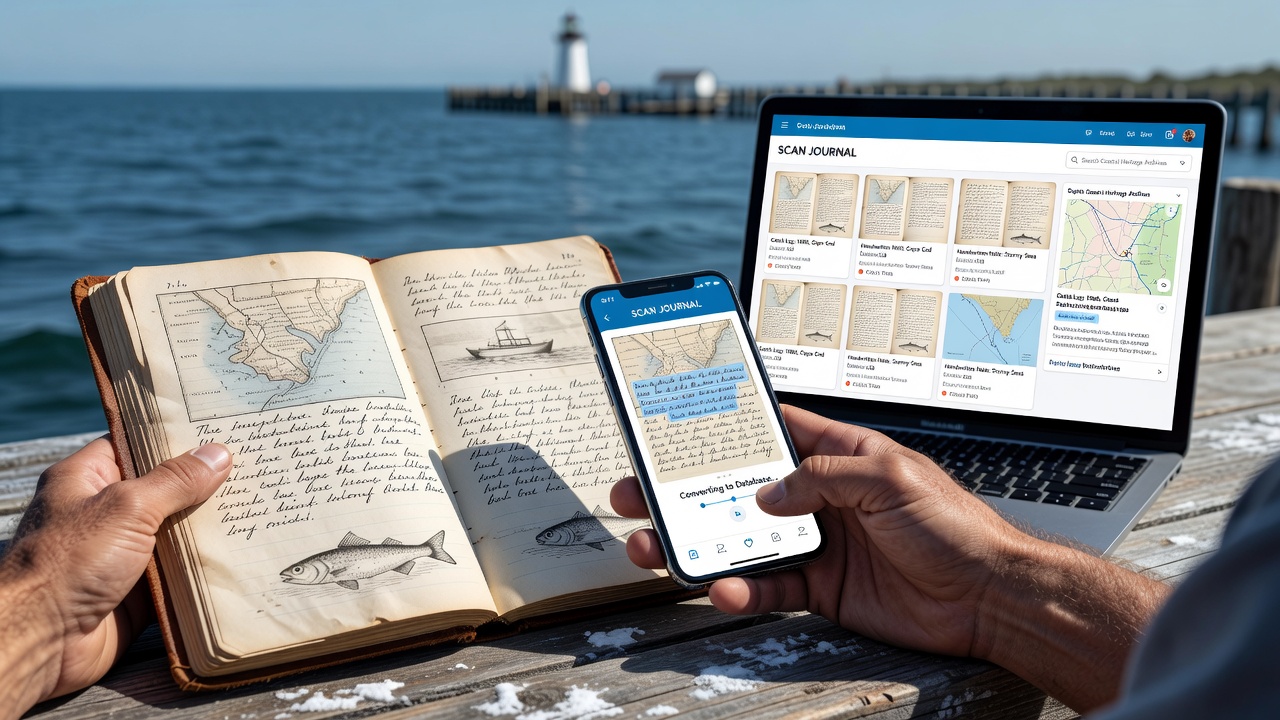
Coastal communities have maintained handwritten fishing journals for generations and these records contain detailed observations about species migrations, weather patterns, and catch volumes that span decades yet remain difficult to access in their original form. Mobile applications now bridge that gap by allowing users to photograph journal pages in the field and then apply specialized optical character recognition algorithms trained on cursive scripts common in maritime logbooks. The processed text converts into structured fields that feed directly into centralized databases designed for public search and analysis.
Development teams have integrated machine learning models that improve accuracy over time as more annotations correct initial transcriptions and this iterative process has reduced error rates in pilot programs along the Pacific Northwest and the North Sea coastlines. Users capture an image with a smartphone camera then the app prompts for metadata such as date range and location before uploading the data packet to a secure server where it joins existing collections. Researchers access the resulting archives through web portals that support queries by species name, seasonal trends, or geographic coordinates.
Technical Processes Behind the Conversion
Handwriting recognition begins with preprocessing steps that enhance contrast and straighten skewed pages while subsequent layers identify individual characters and group them into words and sentences. Natural language processing then tags entries with categories such as fish species or environmental conditions so that queries return precise results without manual indexing. Database architectures rely on open standards that permit integration with existing geographic information systems used by marine agencies and this compatibility expands the utility of each newly digitized record.
Security protocols encrypt uploads during transmission and store them in repositories that comply with data protection regulations across multiple jurisdictions. Version control features track changes to transcriptions so that community volunteers or professional archivists can review and refine entries over successive updates. The entire workflow operates on standard mobile devices which lowers barriers for participants who lack access to specialized scanning equipment.
Regional Implementation Examples
Programs in Australia have linked digitized journals from Tasmanian fisheries with national environmental monitoring systems and data from these collections now supplements satellite observations of ocean temperature shifts. In Canada similar initiatives along the Atlantic provinces feed records into repositories maintained by Fisheries and Oceans Canada where analysts compare historical catch data against current stock assessments. European projects coordinated through the European Maritime and Fisheries Fund have focused on Baltic Sea communities and produced searchable interfaces that support cross-border research collaborations.
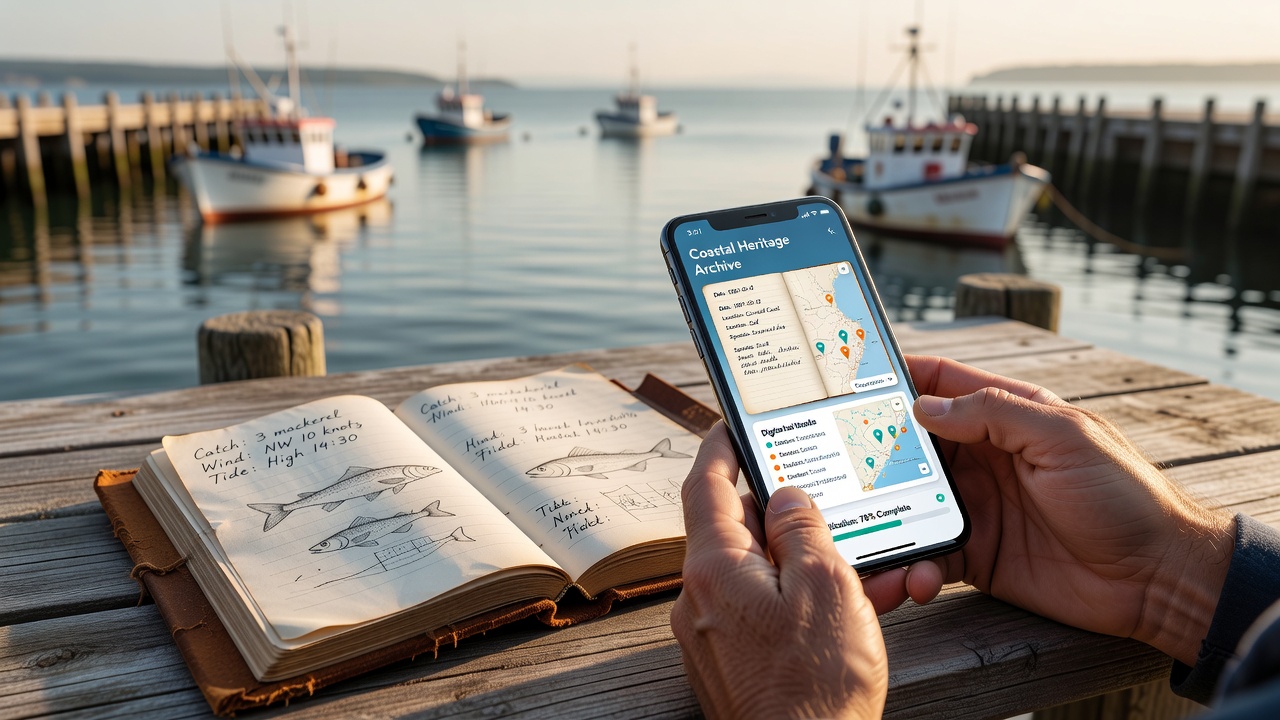
Training workshops conducted in coastal towns teach fishers and local historians how to operate the apps and these sessions often include practice with sample pages from their own family collections. Partnerships with universities supply the technical expertise while community groups contribute domain knowledge about regional terminology that improves model performance. Funding streams from government heritage grants and private foundations have sustained these efforts through multi-year cycles and several pilots reached operational status ahead of schedule.
Upcoming Milestones in November 2026
Multiple projects have set November 2026 as a target for releasing expanded datasets that incorporate journals from additional regions and these releases will coincide with international conferences on digital heritage preservation. Organizers expect the new material to include records from the Mediterranean and the Gulf of Mexico which will broaden comparative studies of climate impacts on fisheries. Platform updates scheduled for the same period introduce improved mobile interfaces that support offline transcription so users in remote areas can continue work without constant connectivity.
Collaborations with academic institutions continue to refine algorithms for regional dialects and handwriting styles and preliminary tests indicate higher precision on previously challenging scripts. Public access portals will feature enhanced visualization tools that display temporal trends through interactive maps and charts and these additions aim to serve educators as well as professional researchers.
Conclusion
The conversion of handwritten fishing journals through mobile applications creates searchable databases that preserve coastal heritage while enabling new forms of analysis and collaboration. Continued refinement of recognition technology and expansion of participating regions will determine how comprehensively these records contribute to future understanding of marine environments.